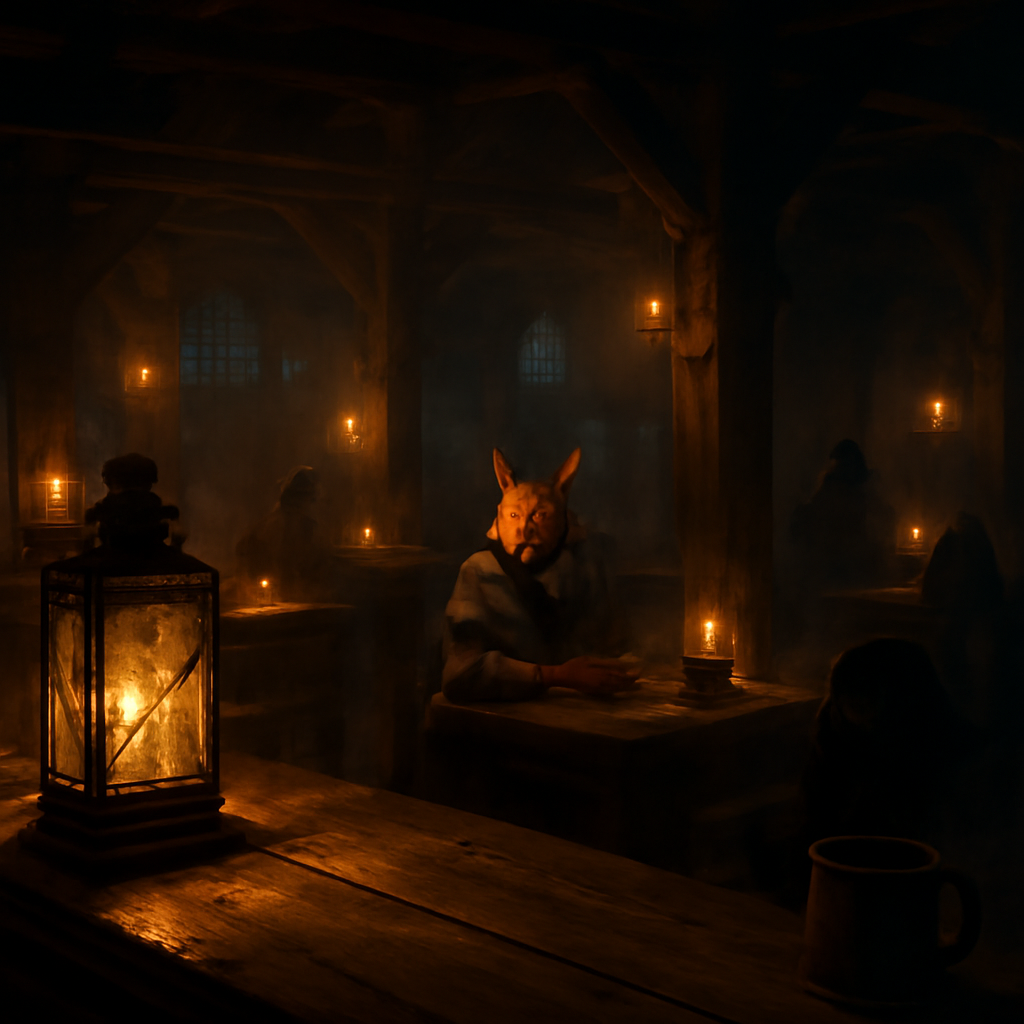
I still remember the first time I walked into a tavern as a player and the DM described nothing but "a gruff bartender" and "some locals." My character ordered an ale, paid, and we moved on. That was it. The whole encounter took maybe thirty seconds, and I felt nothing.
Years later, running my own solo campaigns late at night with a cup of coffee and my border collie snoring at my feet, I learned something crucial: tavern NPC ideas for D&D don't have to be complex to be memorable. They just have to feel real. Like people you'd actually want to talk to—or carefully avoid.
Here's the thing about taverns in D&D. They're not just places to rest and buy supplies. They're information hubs, quest-givers, safe havens, and sometimes powder kegs waiting to explode. But none of that matters if the people inside are forgettable.
Why Tavern NPCs Matter More Than You Think
Your players will visit dozens of taverns over a campaign. Most will blur together unless you give them a reason not to. A truly memorable tavern NPC can become a campaign fixture—someone players actively seek out, trust, or love to hate.
The secret isn't making every bartender a retired adventurer with a tragic backstory. It's giving each NPC one or two specific, human details that stick. A nervous tic. An unusual hobby. A pet that shouldn't be in a tavern but absolutely is.
One of my favorite solo campaign NPCs was a tavernkeeper named Gresha who kept chickens in the common room. Not for atmosphere—she genuinely believed they brought good luck and got offended when patrons complained about the noise. She was memorable because she was specific. She wasn't "generic fantasy bartender." She was Gresha, and she had chickens, and she didn't care what you thought about it.
The Tavernkeeper: More Than Just a Quest Dispenser
Let's start with the obvious one. Every tavern needs someone running it, but that doesn't mean they need to be boring.
Fresh Takes on the Classic Barkeep
- The Accidental Owner: Inherited the place and has no idea what they're doing. Prices are inconsistent, the menu changes daily based on what they found at the market, and they're genuinely grateful when the party offers advice.
- The Retired Bard: Knows every song, every rumor, and most of the embarrassing secrets in town. Will share freely if you buy a round and listen to one of their stories first.
- The Suspicious Professional: Runs the cleanest, most efficient establishment in the region. Too efficient. Remembers every face, every order, every conversation. Works for someone—question is, who?
- The Reluctant Guardian: This isn't just a tavern. It's a safe house, or a front, or built over something that needs watching. The barkeep is friendly enough, but certain questions make them very nervous.
When creating tavernkeepers, ask yourself: why are they here? People don't usually end up running taverns by accident (well, except for that first example). What's their story?
Regulars and Background Characters
A tavern full of strangers feels dead. A tavern with regulars feels alive. These don't need full stat blocks—just enough personality that players notice them.
Character Types That Add Flavor
- The Permanent Fixture: Always at the same table, same time, same drink. Locals set their watches by them. They know everything that happens in this tavern but rarely speak unless spoken to.
- The Loud Storyteller: Holds court in the corner, spinning increasingly unbelievable tales. Half are lies, but half are true, and good luck figuring out which is which.
- The Quiet Regular: Comes in every evening, sits alone, drinks slowly, leaves. Never causes trouble. Never talks to anyone. The one time the party saw them smile was when someone mentioned cats.
- The Gambler: Always has dice, cards, or some local game going. Friendly, chatty, and genuinely skilled. May or may not be cheating—depends on whether they like you.
Here's a trick I picked up from my solo games: give regulars small recurring details. The gambler always wears a red scarf. The quiet regular always orders fish, never meat. When players notice these patterns, the world feels consistent and real.
Servers and Staff Worth Remembering
The people actually bringing drinks and food often get overlooked, but they're perfectly positioned to become player favorites.
- The Student: Working here to pay for wizard school, artificer training, or similar. Exhausted, overworked, but genuinely curious about the party's adventures. Asks questions that show they're actually listening.
- The Gossip: Knows everything because nobody pays attention to servers. Will absolutely share information—for the right price or the right story in return.
- The Protective Veteran: Has worked here twenty years. Knows exactly which regulars are harmless drunks and which are dangerous. Will warn the party if they're about to start something stupid.
- The Aspiring Adventurer: Watches the party with barely concealed envy. Asks about their gear, their travels, their scars. Might try to join them—or might be gathering information for someone else.
The Mysterious Stranger (But Make It Interesting)
Look, we all know the cloaked figure in the corner. It's a D&D classic for a reason. But let's be honest—it's also become a bit of a cliché. The trick is adding one unexpected detail that makes them feel fresh.
Maybe the mysterious stranger is:
- A halfling in an oversized cloak, standing on a chair to look intimidating
- Knitting something while they wait, needles clicking away rhythmically
- Accompanied by an unusual animal that's far too calm for the tavern noise
- Actually just waiting for their date who's very late, getting progressively more annoyed
Subvert expectations. The hooded figure radiating menace might just be someone with a bad cold who doesn't want to spread it around.
NPCs That Create Complications
Sometimes the best tavern NPCs are the ones who make life interesting—which is a polite way of saying they cause problems.
Trouble-Makers and Chaos Agents
- The Drunk with Secrets: Loudly shares information they absolutely shouldn't. Other patrons get nervous. Someone might try to shut them up—permanently.
- The Jealous Ex: Of a party member's contact, quest-giver, or ally. Will absolutely make things awkward at the worst possible moment.
- The Talent Scout: Recruiter for a guild, army, or organization. Sees potential in the party and won't take no for an answer easily.
- The Bounty Hunter's Target: Just trying to have a quiet drink. If the party gets involved, they've just picked a side whether they meant to or not.
Bringing NPCs to Life Quickly
You don't always have time to prep every tavern encounter. Here's my quick-build method for tavern NPCs on the fly:
Pick three things:
- One physical detail (scar, unusual hair, distinctive clothing)
- One personality trait (nervous, cheerful, suspicious, weary)
- One secret or motivation (paying off debt, hiding from someone, gathering information, genuinely just trying to run a business)
That's it. Three details and you have someone who feels real enough to interact with. You can always add more later if the party keeps coming back.
I used to agonize over every NPC, filling pages with backstory the players would never hear. Then I realized: my goat Biscuit has more personality than most NPCs need, and I can describe her in three words: stubborn, hungry, and loud. Same principle applies.
Using Real Inspiration for Memorable NPCs
Here's something I discovered that changed how I build NPCs entirely: base them on real people or animals. Not in a weird way—just take a personality, a look, a vibe, and translate it to fantasy.
That border collie I mentioned earlier? I used Creature Forge AI's character generator and uploaded her photo just to see what would happen. The tool built her as a Lupine ranger—focused, intelligent, always watching the room, deeply loyal once you earn trust. Perfect for a tavern regular who notices everything but only warns people she respects.
It's honestly wild how much easier NPCs become when you can actually see them. Upload a photo of your grumpy uncle, your friendly mail carrier, even your cat—the generator creates a fully-realized D&D character that captures their essence. Suddenly you're not inventing a personality from scratch; you're translating one you already know.
Tavern NPCs That Become More
The best tavern NPCs don't stay in the tavern. They become allies, rivals, quest-givers, or recurring thorns in your party's side. Don't be afraid to bring them back.
That server who was working to pay for wizard school? Maybe they show up later as a properly trained mage who remembers the party's kindness. The suspicious barkeep? Turns out they were right to be paranoid, and now they need help. The drunk with secrets? They weren't lying, and now people know the party listened.
Continuity makes your world feel alive. Players love seeing familiar faces in new contexts. It makes them feel like their choices mattered and the world keeps turning even when they're not looking.
Make Your Taverns Unforgettable
Your tavern NPCs don't need tragic backstories, mysterious prophecies, or legendary weapons hidden under the bar. They just need to feel like people—specific, flawed, interesting people your players might actually want to talk to.
Give them quirks. Give them motivations. Give them one really good detail that sticks in your players' heads. And don't be afraid to pull from real life—the best characters are usually the ones that feel lived-in and true.
Next time your party walks into a tavern, make them want to stay a while. Not because they have to, but because the people inside are worth knowing.
Need help bringing your tavern NPCs to life? Try Creature Forge AI's NPC generator. Whether you're building from scratch or uploading a photo for inspiration, you'll have fully-realized characters ready to populate your world in minutes. Your taverns deserve better than "a gruff bartender." Give them people your players will actually remember.