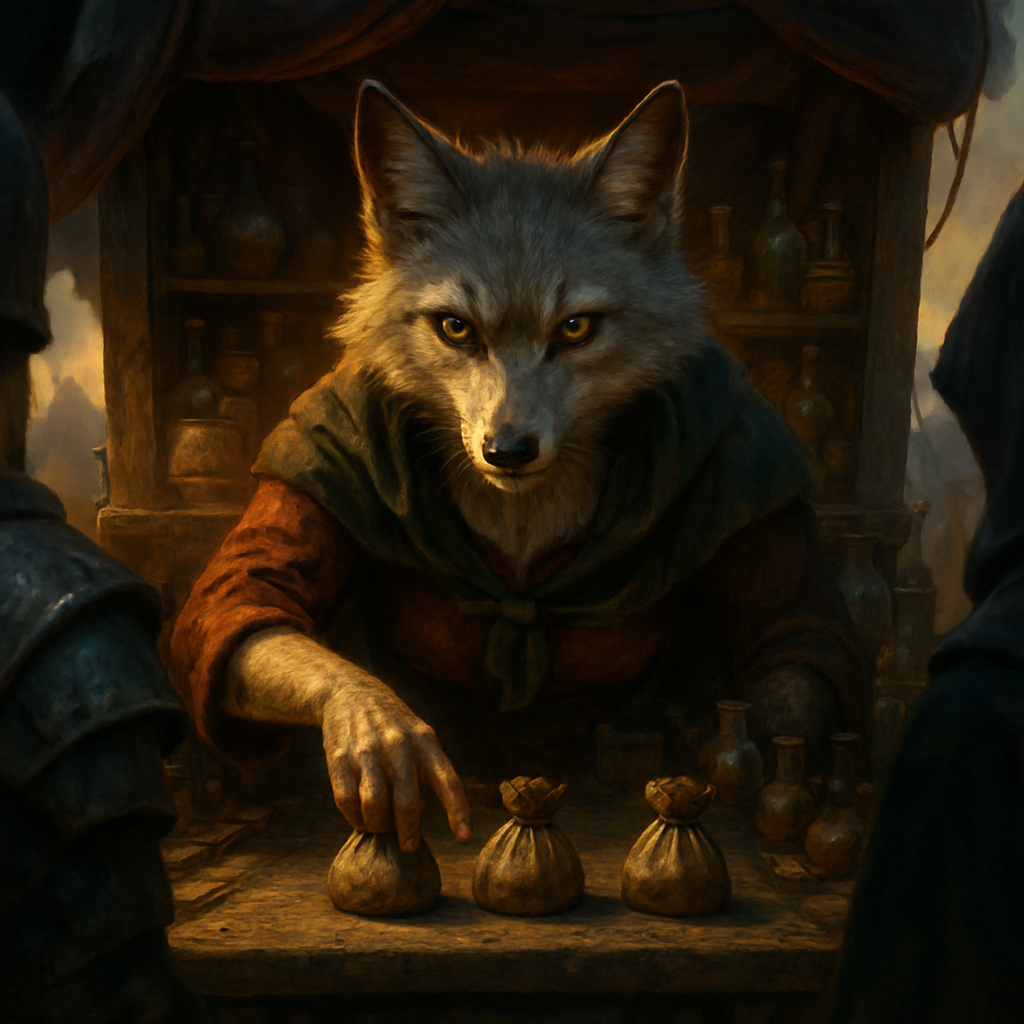
I learned to improvise NPCs the hard way. About two years into my solo D&D habit—those late-night sessions fueled by terrible coffee and dice that always seemed to land on ones—I realized something: my players (even imaginary ones) didn't need encyclopedic backstories. They needed someone interesting to talk to right now. That's when I stopped over-prepping and started using quick NPC ideas for dungeon masters that actually worked at the table.
If you've ever watched your players walk into an unplanned shop, interrogate a random guard, or befriend the stablehand you invented three seconds ago, you know the panic. Here's what I've learned about creating NPCs fast without sacrificing personality.
The Three-Detail Rule
Every memorable NPC needs exactly three details. Not five. Not a full character sheet. Three.
- One physical trait: A scar, a limp, bright purple hair, constantly chewing mint leaves
- One personality beat: Nervous, condescending, overly friendly, suspicious of outsiders
- One want or problem: Looking for their lost cat, saving for their daughter's apprenticeship, hiding from the law
That's it. When my players unexpectedly spent forty minutes with "Jens the Worried Fletcher" (nervous habit of counting arrows, desperate to find his missing apprentice), I hadn't written more than those three details. The rest emerged naturally from what they meant together.
Steal From Real Life (Shamelessly)
My best NPCs are people I know, thinly disguised. The blacksmith with my uncle's laugh. The merchant with my neighbor's habit of starting every sentence with "Well, see, here's the thing." The grumpy stable master who's basically my goat Biscuit in human form—stubborn, food-motivated, and surprisingly good at reading people.
Real people have organic quirks that feel lived-in. You don't need to copy someone wholesale. Just borrow one memorable trait and transplant it. Your players will never know that "Marik the Cautious Guard" is just your anxious coworker who triple-checks every lock before leaving work.
Use Your Actual Pets and Friends
Here's where things get fun. I once uploaded a photo of my border collie to Creature Forge AI's NPC generator just to see what would happen. What came back was "Fennick Swiftpaw," a halfling scout with the same intense stare and nervous energy my dog has when watching sheep. The stats, the personality traits, even the background—it all clicked because it was based on something real.
That's the magic of starting with a real face. Whether it's your cat, your best friend, or that one regular at your coffee shop, building an NPC from an actual photo gives you instant visual consistency and a personality foundation that feels authentic. Your description won't wander because you can literally see who you're describing.
The Emergency NPC Generator (No Prep Required)
When you need somebody right now, use this mental template:
- Pick a job: Baker, guard, scribe, beggar, merchant, servant
- Add one problem: They're hiding something, they need help, they want something the party has, they're suspicious of strangers
- Give them a verbal tic: They end sentences with "see?", they speak very slowly, they interrupt themselves, they're overly formal
Example: "Petra, a baker (1) who's being extorted by the local guild (2) and nervously laughs after every sentence (3)." That's thirty seconds of thought and you have someone players will remember.
Make NPCs Want Something From the Party
The fastest way to make an NPC matter is to make them need something. Not a quest—just a want. Small, immediate, human.
- The innkeeper wants them to settle a bet about whether dragons are real
- The guard wants advice about asking someone out
- The merchant wants them to taste-test a new wine before they buy a whole shipment
- The child wants to hear a story about their adventures
These micro-interactions create connection faster than elaborate backstories. When the party helps (or refuses), suddenly this NPC has opinions about them. That's relationship-building without the work.
Relationship Maps Beat Character Sheets
Instead of detailed NPC stats, I keep a relationship map. It's just names, lines, and brief notes:
Jens (fletcher) → owes money to → Marta (innkeeper) ← sisters with → Olenna (herbalist) → knows secret about → Captain Roth (guard captain)
When players ask an NPC about literally anything, you can follow the lines. "Oh, you want to know about the murders? Well, Jens won't talk to you, but his sister Olenna might if you help her with something first." Instant plot threads from a five-minute sketch.
Voices and Mannerisms (The Lazy Way)
You don't need to be a voice actor. You need one memorable choice per NPC:
- Speak very slowly or very quickly
- End every statement like it's a question
- Use formal "thee/thou" language
- Refer to themselves in third person
- Whisper everything like it's a secret
- Laugh nervously before answering questions
Pick one. Stick to it. That's the character now. I'm not good at accents, but I can do "talks like every sentence is urgent news" or "pauses mid-sentence to sneeze." It's enough.
The Bartender, The Guard, The Shopkeeper
These three archetypes appear in every campaign. Keep a rotating cast of three pre-made versions of each with different personalities:
Bartenders:
- The gossip who knows everything
- The stoic ex-adventurer who's seen it all
- The friendly optimist who believes in everyone
Guards:
- The by-the-book rules enforcer
- The tired veteran who just wants their shift to end
- The rookie eager to prove themselves
Shopkeepers:
- The shrewd negotiator who never budges on price
- The eccentric collector obsessed with oddities
- The struggling parent trying to make ends meet
Rotate through these personality types and players won't notice you're using the same templates. Add one physical detail and one personal problem, and suddenly "Kael the tired guard saving for his daughter's medicine" feels completely unique from "Mira the by-the-book guard trying to impress the captain."
Let Players Fill In the Blanks
Sometimes the best quick NPC ideas for dungeon masters involve doing less, not more. Introduce someone with minimal detail and watch what your players assume.
"You enter the shop. Behind the counter is a half-orc woman sharpening a blade."
Wait. See what they ask. If they say "Does she look friendly?" you now know they're worried about her reaction—make her either surprisingly warm or exactly as intimidating as they fear. If they ask "What's she sharpening?" you can decide it's a customer's order or her personal weapon, depending on where you want the scene to go.
Players help you build NPCs by showing you what they care about. Use it.
When You Have Five Extra Minutes
If you do have a bit of prep time, tools like Creature Forge AI can generate a fully-statted NPC in seconds. The real advantage isn't just speed—it's the option to upload a photo and get a character who actually looks like someone specific. Whether that's your own face, a friend's, or a pet you want to immortalize in your campaign, starting with a real image gives you a foundation that's hard to match with pure imagination.
I've built NPCs from photos of my chickens (resulted in a fussy tavern owner obsessed with organization), my old horse (became a stable master with a sixth sense for trouble), and a friend who gave permission (turned into a charlatan bard who was somehow both charming and insufferable). The photo grounds you. You describe what you see, and the personality follows.
The Secret: NPCs Don't Need To Be Complete
Here's what two years of solo play taught me: NPCs are sketches, not oil paintings. They exist in the moment your players interact with them. They don't need childhood trauma, favorite foods, and complex political opinions unless those things come up naturally.
My most beloved NPC started as "a nervous shopkeeper." Over six sessions, players learned he was saving to buy his freedom, had a sick sister, and collected terrible poetry. I didn't plan any of that. It emerged from the three details I started with and the questions players asked.
Give yourself permission to build as you go. Quick NPC ideas for dungeon masters aren't about cutting corners—they're about being present with your players instead of buried in notes you wrote alone.
Try It Next Session
Next time your players catch you flat-footed—when they wander into an unplanned building or strike up conversation with random passerby #3—take a breath. Pick one physical detail. Pick one personality beat. Pick one thing this person wants or fears. That's your NPC. Everything else is just conversation.
And if you want to speed up the process even more, especially for recurring NPCs who deserve a bit more depth, try building one from a photo. There's something about starting with a real face that makes the rest fall into place faster. Your players will never know it took you ninety seconds instead of an hour.
Now if you'll excuse me, I need to figure out how to explain to my players why the innkeeper's personality is suspiciously similar to my rooster Edwin's. Turns out arrogance translates well across species.