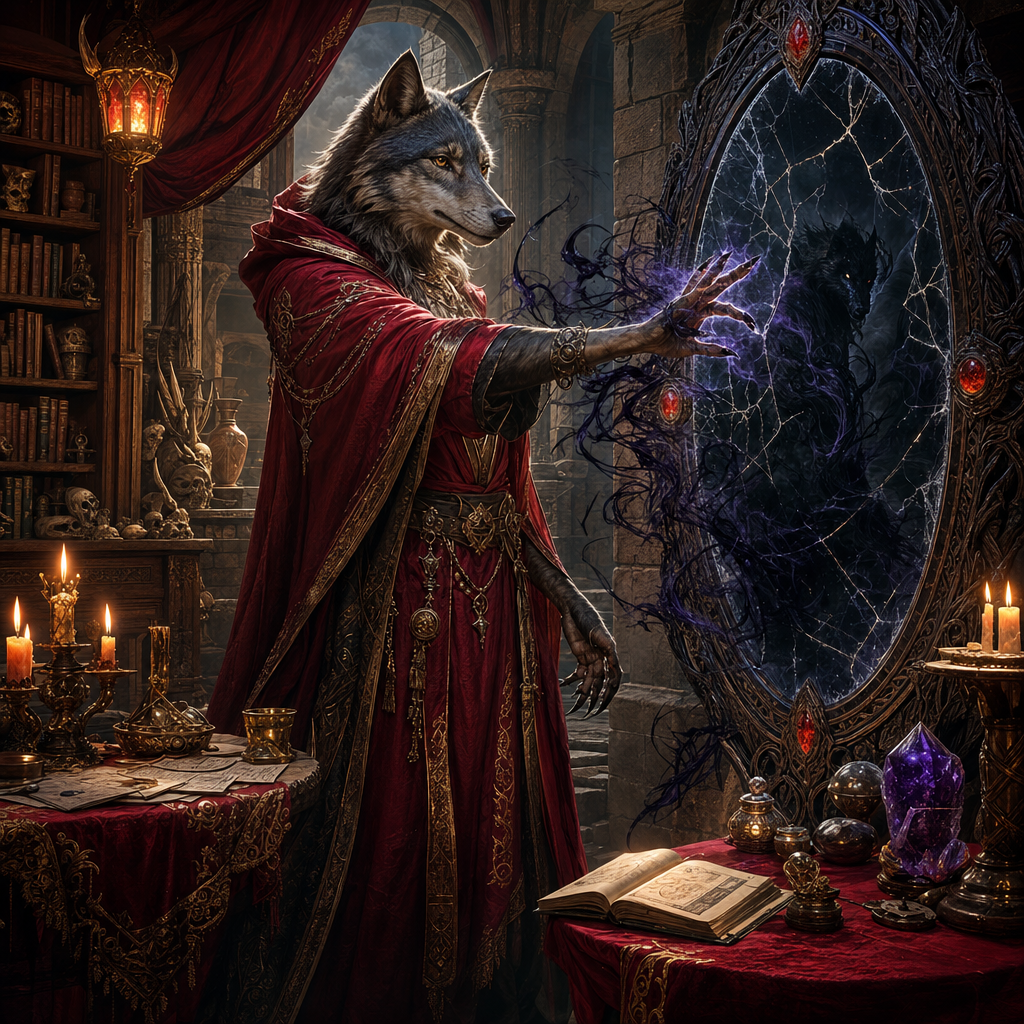
I've been running solo campaigns for years now—late nights, coffee going cold, just me and my dice trying to surprise myself. And here's what I've learned: a villain is only as good as the traits that make them stick. The best memorable villain traits in D&D aren't about higher CR or deadlier spells. They're about personality, motivation, and those little details that make your players say, "I hate this guy, but I kind of get it."
A few months back, I ran a villain inspired by my old rooster, Redclaw—a scraggly, mean-spirited bird who ruled the henhouse with an iron talon despite being half the size of the hens. That rooster had presence. So I built a gnome necromancer with a Napoleon complex and an obsession with proving himself. My players still bring him up. That's what we're aiming for.
Why Memorable Villain Traits Matter More Than Stats
You can throw a lich with perfect tactics at your party and they'll forget it by next session. But give them a villain who collects the left shoes of everyone he defeats? Who hums the same lullaby before every murder? Who genuinely believes he's the hero? That sticks.
Memorable villain traits in D&D transform your antagonist from a speedbump into a character. They give players something to latch onto, to reference, to roleplay against. They turn combat encounters into personal vendettas and plot twists into genuine emotional beats.
Start With Motivation, Not Malice
The worst villains are evil because the script says so. The best ones have reasons that almost make sense.
Give Them a "Why"
Your villain should want something specific. Not "world domination" in the abstract—something concrete and relatable:
- Revenge for a loved one killed by the kingdom's soldiers
- Desperate to cure a plague affecting their people, no matter the cost
- Convinced the gods have abandoned the world and must be replaced
- Protecting a secret that would destroy their family's legacy
- Trying to recreate a lost golden age through force
When my players finally confronted that gnome necromancer, they discovered he was raising the dead because his entire village had been wiped out and forgotten. He refused to let them fade from memory. Suddenly he wasn't just a monster—he was tragic. That complexity made defeating him mean something.
Signature Quirks That Build Recognition
Memorable villain traits often come down to distinctive, repeatable details. These are the hooks players remember between sessions.
Physical Tells
- Always wears a specific color (black roses, red gloves, bone-white mask)
- Has a distinctive scar, birthmark, or missing body part
- Walks with a limp, speaks in whispers, or has an unusual accent
- Carries a signature weapon or item they never use in combat
Behavioral Patterns
- Leaves a calling card at every crime scene
- Only kills on specific days or under certain conditions
- Spares certain types of people (children, artists, fellow survivors of trauma)
- Has a ritualistic pre-battle routine
- Collects trophies in an oddly specific way
Speech Patterns
Nothing makes a villain more quotable than a distinctive voice:
- Refers to themselves in third person
- Obsessively uses metaphors from a specific theme (gardening, chess, hunting)
- Has a catchphrase they repeat before vanishing
- Speaks in archaic or overly formal language
- Hums, whistles, or sings unconsciously
The Power of Contradictions
Here's where villains get really interesting: give them traits that contradict their role. A brutal warlord who writes poetry. A cold-blooded assassin who rescues stray cats. A tyrant who's genuinely beloved by their people.
These contradictions make villains feel three-dimensional. They create moments where players think, "Wait, maybe we're the bad guys here?" That moral ambiguity is gold for storytelling.
Relationships That Reveal Character
Show your villain interacting with people they care about. Maybe they're ruthless to enemies but tender with a sick sibling. Maybe they have a loyal lieutenant who represents everything good about them that's been buried.
I once built a villain who was essentially a dark reflection of the party's paladin. Same oath, same training, different breaking point. Watching those two talk was more intense than any sword fight. That's what relationships can do.
Make Them Competent (But Flawed)
Memorable villains win sometimes. They adapt. They have backup plans. But they also have blind spots rooted in their personality:
- Arrogance that makes them underestimate "lesser" opponents
- A code of honor they won't break, even tactically
- Emotional triggers that cause them to act rashly
- Loyalty to someone who doesn't deserve it
- An obsession that clouds their judgment
The flaw shouldn't make them stupid—it should make them human (or elven, or draconic, or whatever). It's the crack in the armor that gives players hope while respecting the villain's threat.
Building Villains That Look the Part
Visual design matters, especially if you're using maps, tokens, or theatrical descriptions. This is where tools like Creature Forge AI's character generator really shine—you can even upload a photo of a real person or pet and transform them into a fully-realized D&D villain. Imagine turning that imperious barn cat who judges you daily into a regal Tabaxi crime lord, complete with stat block and art.
When players can see your villain's distinctive traits—the facial scar, the ornate armor, the unsettling smile—it reinforces everything else. Visual consistency makes them feel real.
Let Them Evolve
The best villains change over the campaign. Maybe they get more desperate, more cruel, or more sympathetic as their plans unravel. Maybe defeating their lieutenant makes them realize they've gone too far. Maybe they switch tactics, learn from defeats, or form unexpected alliances.
Static villains get boring. Let yours react to what the players do. Let victories cost them something. Let failures teach them. This dynamic quality is what separates memorable antagonists from cardboard cutouts.
The Small Details That Haunt Players
Sometimes it's the tiniest traits that linger:
- The way they hold their wine glass
- A pet phrase they mutter when frustrated
- How they treat servants versus equals
- Their reaction when genuinely surprised
- What they do with their hands when lying
These micro-details make villains feel observed rather than designed. They're the traits players pick up on and use to predict behavior. "Wait—he just touched his ring. He only does that when he's bluffing."
Bringing It All Together
Memorable villain traits in D&D aren't about checking boxes. They're about creating someone your players will talk about in the car ride home, reference in future campaigns, and maybe—just maybe—feel a little conflicted about defeating.
Start with a clear motivation that makes emotional sense. Add distinctive quirks that build recognition. Layer in contradictions that create depth. Show them in relationships. Make them competent but flawed. Let them evolve. And pepper in those small, human details that make them feel real.
Your villain doesn't need to be the most powerful enemy your party faces. They need to be the most unforgettable.
If you're looking for tools to help visualize and build out these complex antagonists, Creature Forge AI can transform your concepts into fully-realized characters—stats, art, and all. Whether you're uploading a photo of your grumpy neighbor to turn into a corrupt magistrate or designing a completely original BBEG from scratch, it's worth exploring what's possible when you've got the right tools in your DM arsenal.
Now go forth and create villains your players will love to hate. Or hate to love. Either way, make them impossible to forget.