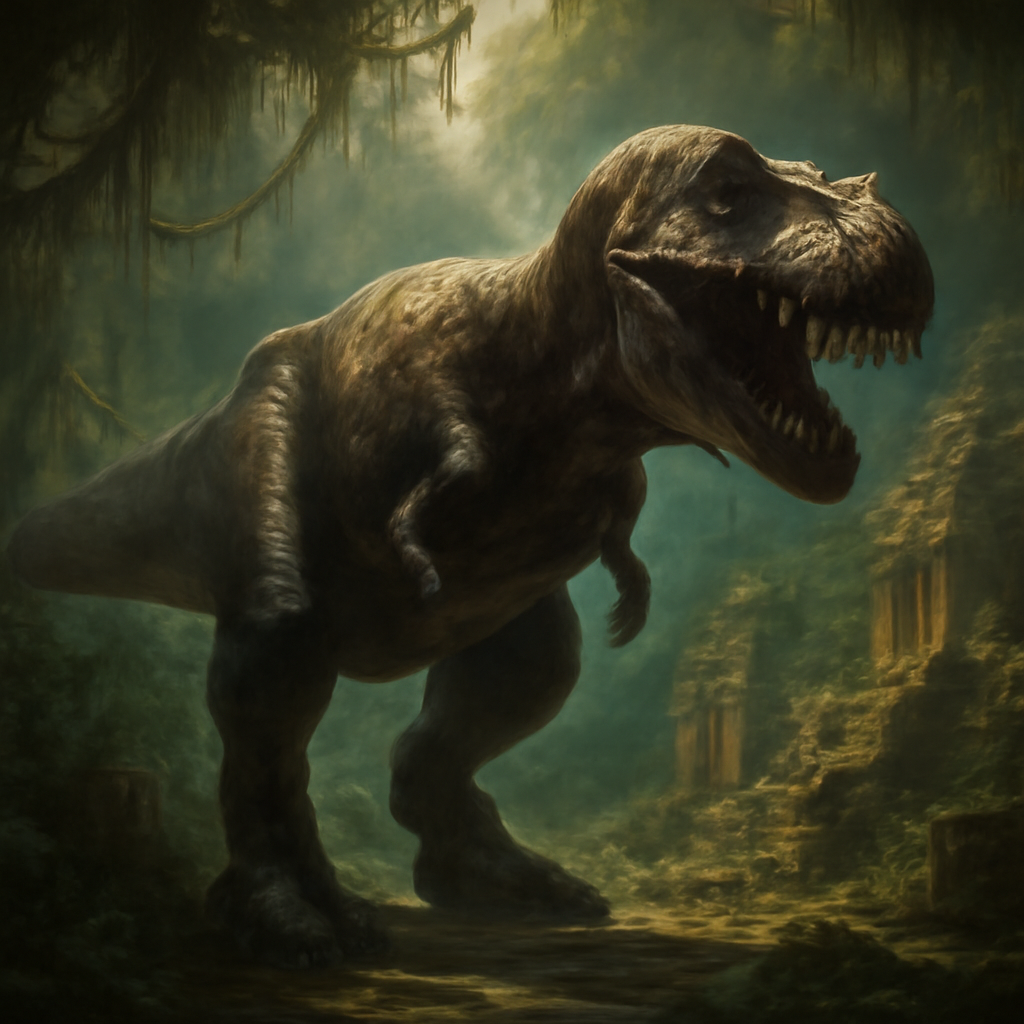
I'll be honest: the first time I tried to use dinosaurs in a D&D campaign, it felt forced. I dropped a random T-Rex into a forest encounter because "why not," and my players just stared at me like I'd lost the plot. One of them actually asked if we'd accidentally switched to a different campaign. That's when I realized dinosaurs need context—they can't just show up. They need to belong.
If you're wondering how to use dinosaurs in a D&D campaign without it feeling like a gimmick or a Saturday morning cartoon, you're in the right place. Dinosaurs can be incredible additions to your world when you treat them as more than combat stat blocks. They can shape cultures, define entire regions, and create moments your players will talk about for years.
Start With Geography: Where Do Dinosaurs Actually Make Sense?
The easiest mistake is dropping dinosaurs anywhere. Instead, think ecologically. Where would massive prehistoric predators and herbivores thrive in your world?
- Primordial jungles: Dense, uncharted rainforests where civilization hasn't reached. Think Chult from Tomb of Annihilation—a place where nature is violent and unforgiving.
- Lost valleys: Hidden plateaus cut off from the rest of the world by mountains or magic. Time moves differently here. Evolution took another path.
- The Feywild: Pockets of the Feywild could preserve ancient creatures that went extinct everywhere else. Dinosaurs with iridescent feathers, or herbivores that glow softly at dusk.
- Underdark caverns: Blind cave dinosaurs, pallid and adapted to darkness. A Triceratops-sized herbivore munching on massive fungi is genuinely unsettling.
- Post-apocalyptic ruins: What if dinosaurs survived because civilization didn't? Ancient empires fell, magic collapsed, and the megafauna reclaimed the land.
Give your dinosaurs a home. A reason they're there. That alone makes them feel intentional instead of random.
Use Them to Build Cultures, Not Just Encounters
Here's where it gets interesting: dinosaurs don't have to be enemies. They can be mounts, livestock, gods, or cultural keystones.
Dinosaurs as Mounts and Beasts of Burden
Why would a jungle tribe ride horses when Velociraptors exist? Or better yet, why wouldn't a nomadic plains culture domesticate Triceratops as living wagons? In one of my solo campaigns, I created a merchant caravan that used Ankylosaurus as mobile fortresses—armored, slow, impossible to raid. The entire economy of that region depended on those creatures.
Think about what different dinosaurs do for the people who live alongside them:
- Pteranodons as messenger birds or scout mounts
- Stegosaurus herds harvested for their plates (armor, building materials)
- Parasaurolophus bred for their haunting calls, used in religious ceremonies
Dinosaurs as Sacred or Feared
A coastal village might worship a colossal Brachiosaurus that wades through their bay at dawn each day. Disturbing it is taboo. Protecting it is law. Meanwhile, inland, another culture hunts the same species for glory and status—wearing their bones as proof of adulthood.
Suddenly you've got built-in conflict, moral complexity, and world-building that players can touch.
Make Dinosaurs Feel Dangerous (Even at High Levels)
A lone T-Rex is a CR 8 creature. By level 10, your party can handle it without breaking a sweat. But dinosaurs shouldn't feel like speedbumps—they should feel like forces of nature.
Pack Tactics and Ambush Predators
Velociraptors don't fight fair. They test defenses, flank, separate the weakest party member. A pack of six Raptors in tall grass is scarier than a single Ancient Dragon standing in the open.
Environmental Hazards
The dinosaur isn't the only threat. It's chasing them through a tar pit. Or across a rope bridge. Or into the territory of something even worse. I once ran an encounter where the party had to evade a charging Triceratops while navigating a collapsing canyon—suddenly a CR 5 creature felt life-or-death.
Let Them Flee
Not every dinosaur wants to fight. A wounded Allosaurus limping away from the party—blood trail leading deeper into the jungle—is a choice. Follow it and potentially face its pack? Or let it go and wonder what you missed?
Tie Dinosaurs Into Your Plot
Don't just use dinosaurs as set dressing. Make them matter to the story.
- The BBEG is breeding weaponized dinosaurs in a hidden facility
- A dying druid's last act was to awaken the dinosaurs—now they're reclaiming the land from colonizers
- Dinosaur fossils contain residual magic. Necromancers want them. Druids want to protect them. Scholars want to study them.
- A meteor strike is coming (again). The dinosaurs know. They're migrating. Should the party follow them or warn the cities?
One of my favorite session hooks came from a simple idea: what if a noble hired the party to capture a live Pteranodon hatchling as a pet for his daughter? Suddenly it's not about killing dinosaurs—it's about navigating nests, avoiding the parents, and making a moral choice when they realize the hatchling won't survive in captivity.
Subvert Expectations
Players expect dinosaurs to be big, dumb, and violent. Flip that.
What if the Brachiosaurus they encounter is intelligent—a millennia-old creature who remembers when elves were young? It doesn't speak, but it understands. It's seen empires rise and fall. Disturbing it has consequences far beyond a simple combat.
Or what if dinosaurs in your world have a symbiotic relationship with magic? A Spinosaurus that can cast Control Water. A Stegosaurus whose plates hum with stored lightning. Suddenly they're not just beasts—they're phenomena.
Steal From the Classics (But Make Them Yours)
There's no shame in borrowing inspiration. Tomb of Annihilation and Eberron both do dinosaurs well—but don't just copy them. Ask yourself: what would dinosaurs look like in my world?
In a high-magic setting, maybe dinosaurs are magical constructs—living war machines created by a fallen empire. In a low-magic world, they're the apex predators that make wilderness travel genuinely terrifying. In a steampunk world, fossilized dinosaur bones power airships.
The key is integration. Dinosaurs should feel like they've always been part of your world, not something you bolted on last minute.
Use Tools to Bring Them to Life
If you want to make dinosaurs feel distinct and memorable, giving them personality goes a long way. I've started using Creature Forge AI's monster generator to create unique stat blocks and even visual references for my dinosaurs—especially when I want something that isn't straight from the Monster Manual.
Here's a trick I love: if you've got a pet that has big dinosaur energy (I'm looking at you, my late rooster Gerald, who attacked anything that moved), you can upload a photo and turn them into a custom creature. There's something hilarious and weirdly perfect about a Velociraptor NPC that shares your childhood dog's attitude problem.
Let Your Players Interact With Them
The best dinosaur moments aren't just combat. They're:
- The ranger trying to calm a spooked herd of Parasaurolophus before they stampede through a village
- The bard using Animal Friendship on a baby Ankylosaurus and accidentally adopting it
- The party riding Pteranodons to reach a floating fortress (and realizing mid-flight that Pteranodons get tired)
- Tracking a wounded Carnotaurus and discovering it's protecting its nest—forcing a decision
Give your players agency. Let them choose how they deal with the dinosaurs. That's when things get memorable.
Final Thoughts: Make Them Part of the World, Not a Distraction From It
The trick to using dinosaurs in a D&D campaign isn't about justifying their presence—it's about making them feel essential. When you treat them as ecology, culture, history, and story instead of just monster stat blocks, they stop being a gimmick and start being a gift.
They're ancient, alien, powerful, and real in a way that fantasy creatures sometimes aren't. That T-Rex doesn't care about your quest or your destiny. It's hungry. That Brachiosaurus doesn't bow to kings. It barely notices them.
And honestly? That's what makes them perfect.
If you're ready to build some truly unique dinosaur encounters—or just want to see what a photo of your cat would look like as a feathered Raptor rogue—head over to Creature Forge AI and start creating. Your campaign deserves creatures that feel like they actually live in your world.