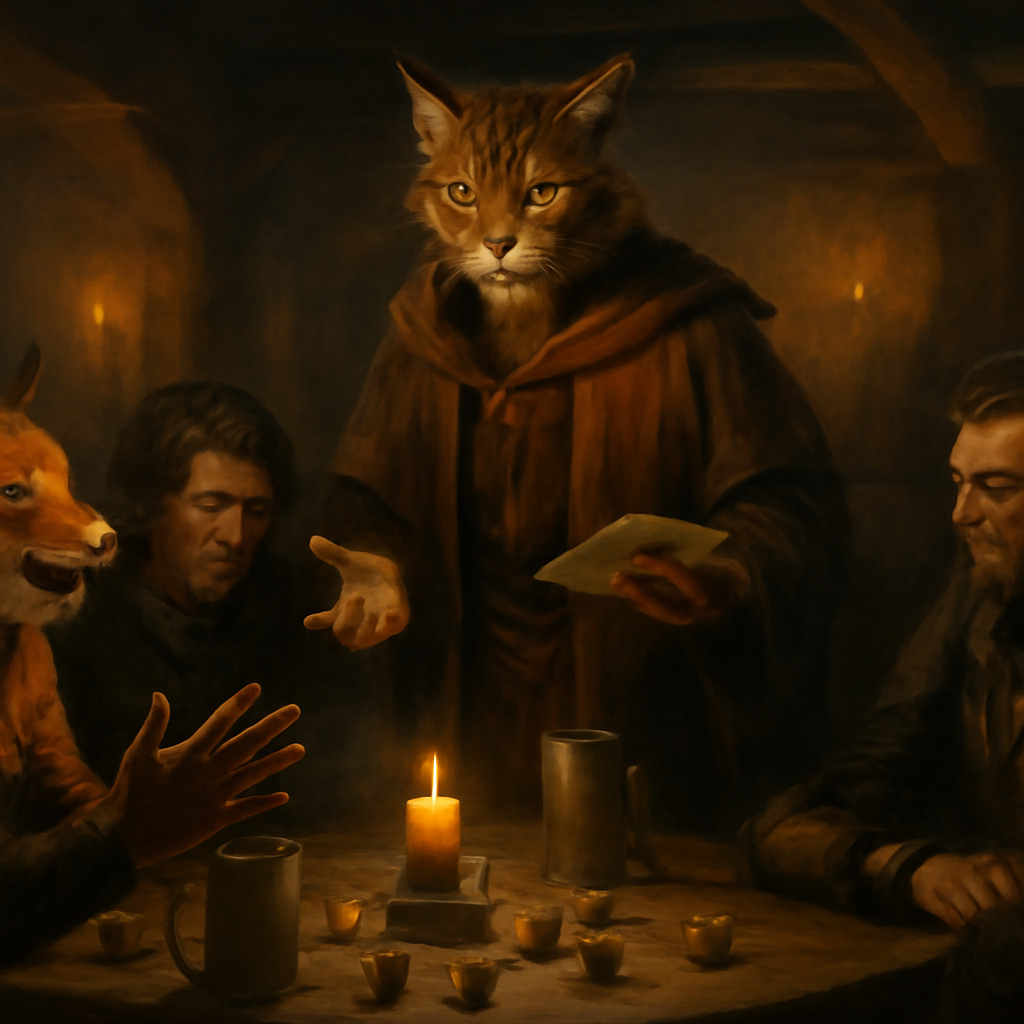
I'll never forget the session where my solo-play habits collided with reality. I'd invited three friends to join a campaign I'd been running by myself for months—me, a notebook, and way too much coffee at midnight. One player, let's call him Travis, decided his barbarian needed to attack every NPC who looked at him sideways. By session two, he'd killed a quest-giver, set fire to a stable (my childhood barn burned down when I was twelve, so that hit different), and was actively trying to PvP our cleric. That's when I learned that how to handle a disruptive player in D&D isn't just about rules—it's about whether your table survives the campaign.
Disruptive players come in all flavors. Maybe they talk over everyone. Maybe they're on their phone. Maybe they're trying to "win" D&D like it's a competitive sport. Whatever the case, you need a toolkit for addressing the behavior before it poisons your table. Here's what actually works.
Identify the Type of Disruption First
Not all disruptive behavior is the same, and your response shouldn't be either. Before you do anything, figure out what you're dealing with:
- The Spotlight Hog: Dominates conversations, interrupts other players, makes every scene about their character
- The Rules Lawyer: Challenges every ruling, slows down gameplay with constant PHB citations, argues more than they roleplay
- The Chaos Agent: Deliberately derails plots, attacks party members, makes decisions purely for shock value
- The Distracted Player: Always on their phone, doesn't pay attention, asks "wait, what's happening?" every ten minutes
- The Boundary Pusher: Makes others uncomfortable with inappropriate content, ignores safety tools, won't read the room
Understanding the pattern helps you choose the right intervention. Travis was a Chaos Agent with a side of Spotlight Hog—a particularly exhausting combination.
Talk to Them Privately First (Yes, Really)
I know it's tempting to address disruptive behavior at the table in the moment, especially when you're frustrated. Don't. Public callouts create defensiveness and turn the conversation into a performance for the other players. Instead, reach out between sessions.
Keep it simple and specific:
- "Hey, I noticed you interrupted Sarah three times during the tavern scene. I want to make sure everyone gets space to roleplay."
- "I'm seeing a pattern where your character attacks NPCs before the party can gather information. It's making it hard for me to run the story. Can we talk about what you're looking for in the game?"
- "You've been on your phone a lot during sessions. If the game isn't holding your interest, let's figure out what would make it more engaging for you."
Notice the pattern? You're describing observable behavior, not attacking their character. You're also assuming good intent and opening a dialogue. Sometimes players genuinely don't realize they're being disruptive. Sometimes they're bored or disconnected for reasons you can actually fix.
What I Said to Travis
I texted Travis after session two: "Your barbarian is fun, but the constant PvP and NPC murder is making it impossible for me to run the campaign I planned. What kind of game are YOU hoping to play?" Turns out he thought D&D was supposed to be like a video game where you test boundaries and break things. He'd never played at a table that cared about collaborative storytelling. Once I explained what we were actually doing, he adjusted. Not perfectly—but enough.
Set Clear Table Expectations
Here's something I learned from running solo campaigns: when you're the only player AND the DM, you never have to negotiate expectations. You just... play. But the moment you add other humans, you need a social contract.
Establish this in session zero, or if you're already mid-campaign, at the start of your next session:
- Spotlight sharing: Everyone gets moments to shine; we don't talk over each other during roleplay
- Player agency: PvP requires consent from both players; don't steal from or attack party members
- Engagement: Phones away during sessions except for emergencies; if you need a break, just say so
- Tone and content: What topics are off-limits? What's the violence/romance comfort level?
- DM authority: Rulings at the table stand; rules debates happen after the session
Write these down. Put them in your group Discord or chat. When someone violates them, you have something concrete to point to instead of vague "vibes."
Use In-Game Consequences Sparingly (and Fairly)
Some DMs try to "fix" disruptive players by punishing their characters. The barbarian who attacks every NPC suddenly faces a squad of guards. The player who won't pay attention has their character fall into a trap because they "weren't listening."
I'm going to level with you: this usually backfires. In-game punishment for out-of-game problems feels petty, creates resentment, and doesn't address the actual issue. The player learns nothing except that you're willing to weaponize your DM power.
That said, logical consequences CAN work if they're fair and consistent with your world:
- If a character keeps insulting nobles, those nobles might refuse to help them later
- If someone constantly splits the party, they might face encounters alone that are balanced for a group
- If a player ignores quest hooks, their character simply doesn't get that story thread—no punishment, just natural cause and effect
The key is that these consequences would happen regardless of whether you liked the player's behavior. You're being a neutral arbiter of the world, not a vengeful god.
Know When to Remove Someone from Your Table
Here's the hard truth about how to handle a disruptive player in D&D: sometimes you can't. Sometimes the player doesn't want to change, or the behavior is too harmful to tolerate while you wait for improvement.
You should remove someone if:
- They've been spoken to privately and continue the same behavior
- They're making other players uncomfortable or unsafe
- They're unwilling to respect boundaries or table agreements
- The amount of energy you're spending managing them is ruining your own enjoyment
Removing a player is never fun, but it's sometimes necessary. I've done it once, years after the Travis situation, with a player who wouldn't stop making sexual comments toward another player's character despite multiple conversations. I said: "This isn't working out. I'm going to continue the campaign without you." No long explanation, no debate. Done.
Your table will be healthier for it.
Build Better NPCs and Encounters to Prevent Disruption
Here's something I stumbled on by accident: a lot of disruptive behavior comes from boredom or lack of engagement. When players feel invested in the world and their characters' stories, they're less likely to derail things for attention.
One thing that helped my table was giving each player NPCs and plotlines specifically tailored to their character. I started using Creature Forge AI's NPC generator to create unique allies, rivals, and quest-givers tied to individual backstories. When Travis's barbarian met a rival gladiator with actual personality and history, he stopped trying to murder every merchant—because now he had something he actually cared about.
The photo-upload feature was a game-changer here. Our cleric player uploaded a picture of her childhood dog, and I built an NPC guide who was basically her border collie as a wise Lupine ranger. She was SO invested in protecting that character that she became the party's moral center. Suddenly Travis had social pressure from someone he respected, not just from me.
Create Space for Different Play Styles
Sometimes "disruption" is just a mismatch between what a player wants and what the table is offering. Maybe your player wants tactical combat and you're running an intrigue-heavy campaign. Maybe they want slapstick humor and you're going for grimdark.
If the player is otherwise respectful and engaged, see if you can create space for their style:
- Add a dungeon crawl for your combat-focused player
- Include a heist or mystery for your puzzle-lover
- Let your chaos agent have one NPC they're ALLOWED to antagonize
- Give your quiet player one-on-one scenes where they don't have to compete for airtime
You're not obligated to warp your entire campaign, but small adjustments can sometimes turn a disruptive player into an engaged one.
Take Care of Yourself, Too
DMing is already hard work. When you're also managing problem players, it can drain every ounce of joy from the hobby. If you're spending more time dreading sessions than looking forward to them, something needs to change.
Remember: you're not a professional conflict mediator. You're not a therapist. You're a volunteer running a game for fun. If someone is consistently making that impossible, you have every right to say, "This isn't working for me."
I think about this when I'm running solo campaigns late at night, coffee going cold, just me and my dice and a character sheet for my ornery rooster turned into a Kenku rogue (long story). There's a purity to it—no drama, no managing egos, just story. Sometimes I miss that. But then I remember the sessions that DO work, when everyone's laughing and the story clicks and someone makes a choice that surprises even me. That's worth fighting for.
Try Building Something They'll Care About
If you're looking for tools to help engage your players more deeply—especially the ones teetering on the edge of disruption—I can't recommend Creature Forge AI enough. Being able to upload a photo and generate a character that actually looks like their real-life pet or even themselves as a fantasy hero creates a level of investment that's hard to replicate. When players see THEIR version of themselves or something they love represented in the game, they tend to care more about the world you're building together.
It won't fix every problem player, but it might give you one more tool for turning disruption into engagement.
The reality is that handling a disruptive player in D&D requires patience, clear communication, and occasionally some tough decisions. But your table's health is worth it. Set your boundaries, have the hard conversations, and remember that you deserve to have fun too. And if all else fails? There's always solo play, a notebook, and the kind of peace you can only find at midnight with a cup of coffee and dice that never talk back.