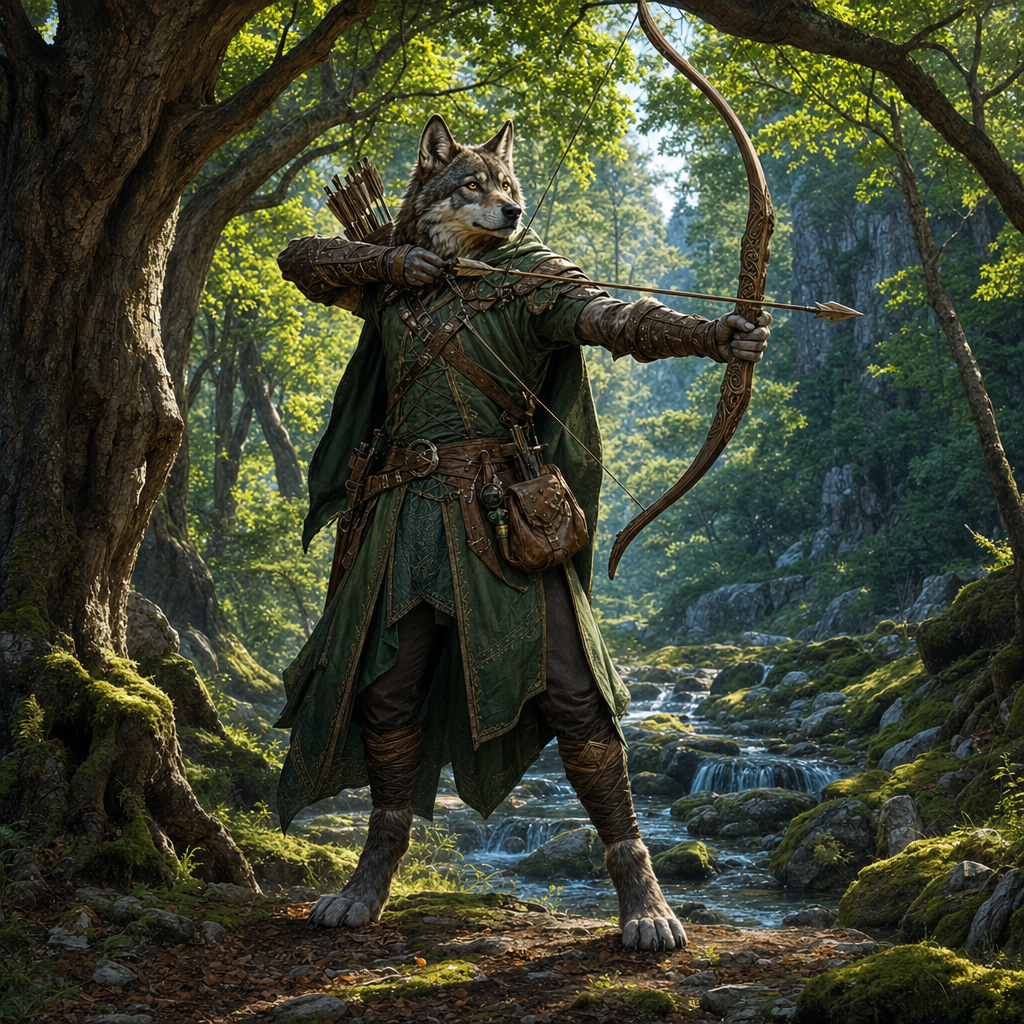
I've spent more time with dogs than with most people. Growing up on a farm, we always had at least three working dogs around—herders, guarders, and one absolutely unhinged terrier who thought he ran the place. When I started playing D&D solo late at night after chores, I couldn't help but notice the overlap. Dog breeds as D&D classes isn't just a cute thought experiment—it's frighteningly accurate.
Every breed has a calling, a purpose bred into their bones over generations. Sound familiar? That's exactly how D&D classes work. So let's match some of the most popular dog breeds to their perfect adventuring classes, starting with the ones I know best.
The Strategic Thinkers: Border Collie and Australian Shepherd
Class: Wizard
Border Collies are the Wizards of the dog world, no question. They're constantly calculating, planning three steps ahead, and making everyone around them look underprepared. I had a Border Collie named Dash on the farm who would literally herd the chickens back into their coop at dusk without being asked. That's the kind of autonomous problem-solving that screams high-Intelligence spellcaster.
Australian Shepherds fall into the same category—maybe with a slight Divination specialization. They seem to know what you're going to do before you do it. These dogs would absolutely have a spellbook, and they'd have actually read it cover to cover.
Why It Works:
- High intelligence and problem-solving ability
- Strategic approach to challenges
- Thrives when given complex tasks
- Needs mental stimulation or becomes destructive (just like a Wizard needs their spellbook)
The Holy Warriors: Golden Retriever and Labrador Retriever
Class: Paladin
Golden Retrievers are Paladins. I will not be taking questions. These dogs have an oath—probably Devotion—and they stick to it. Their entire existence revolves around loyalty, service, and making sure everyone in their party is okay. They're the friend who checks if you ate lunch, in dog form.
Labradors have that same Paladin energy but with maybe a few more points in Constitution. They're built like tanks, unfailingly loyal, and genuinely believe in the goodness of every person they meet. That's Lay on Hands energy right there.
Why It Works:
- Unwavering loyalty to their people
- Natural protectors without being aggressive
- High Charisma—everyone loves them
- Motivated by service and making others happy
The Sneaky Investigators: Beagle and Dachshund
Class: Rogue
Beagles are Rogues with expertise in Investigation and Perception. Their entire life is a stealth mission to find food you didn't know you had. They're following scent trails like they're tracking a mark through a crowded market, and they will absolutely pocket anything edible when you're not looking.
Dachshunds? Inquisitive Rogues, obviously. Bred to hunt badgers in tight spaces, they're built for dungeon crawling. Short, low to the ground, and absolutely fearless about squeezing into places they shouldn't be. My neighbor's Dachshund once tunneled under three different fences in one afternoon. That's dungeon-delving expertise.
Why It Works:
- Expert trackers with high Perception
- Stubborn and independent
- Masters of finding hidden things (usually food)
- Small but scrappy—never count them out
The Wilderness Experts: German Shepherd and Siberian Husky
German Shepherd: Ranger
German Shepherds are Rangers, full stop. They're working dogs through and through—police work, search and rescue, military service. They have Favored Enemy (probably "threats to my people") and they're tracking specialists. These dogs understand terrain, threats, and pack dynamics like they multiclassed into Druid for the nature knowledge.
Siberian Husky: Ranger (Beastmaster variant)
Huskies are Rangers who rolled low on Wisdom and put all their points into endurance. They're built for long-distance travel through harsh environments, they have strong pack bonds, and they're clever enough to open gates when you're not watching. The difference is they're way more chaotic. A German Shepherd follows orders; a Husky hears suggestions.
Why It Works:
- Exceptional tracking and awareness
- Built for outdoor work and survival
- Strong pack mentality
- Natural protectors of their territory
The Face of the Party: Cavalier King Charles Spaniel and Pomeranian
Class: Bard
Cavalier King Charles Spaniels are Bards—probably College of Glamour. They're literally bred to be charming. Historically, they were companion dogs to royalty, which means their entire job was to be delightful and make people feel better. That's just Bardic Inspiration with extra steps.
Pomeranians are Bards too, but College of Lore, and they have a big personality in a tiny package. They're vocal, they demand attention, and they're surprisingly smart. A Pomeranian will absolutely try to talk their way out of trouble, and honestly, it usually works.
Why It Works:
- High Charisma, naturally charming
- Excellent at social situations
- Smart and adaptable
- Makes everyone around them feel better
The Unstoppable Forces: Pit Bull and Rottweiler
Class: Barbarian
We had a farm dog named Duke who was some kind of Pit Bull mix, and that dog was a Barbarian if I've ever seen one. Not because he was aggressive—he wasn't—but because when he decided to do something, nothing stopped him. Pure determination and physical power. These breeds have that Relentless Rage feature where they just keep going.
Rottweilers have the same energy. They're powerful, intimidating to strangers, but absolute sweethearts to their pack. They're the Barbarian who's scary in combat but sits down for a nice cup of tea afterward and asks how everyone's feeling.
Why It Works:
- Incredible physical strength and endurance
- Protective of their people
- Single-minded determination
- Surprisingly gentle despite their power
The Spiritual Guardians: Akita and Great Pyrenees
Class: Cleric
Akitas have a calm, dignified presence that screams Cleric. They're devoted, they watch over their flock (literally, in some cases), and they have this spiritual quality to them. They're not flashy, but they're always exactly where they need to be when trouble starts.
Great Pyrenees are Clerics of the Life domain. Bred to guard livestock, they're patient, watchful, and fiercely protective. They'll sleep all day, seemingly doing nothing, and then suddenly place themselves between their family and danger without hesitation. That's Guardian of Faith in dog form.
Why It Works:
- Natural guardians and protectors
- Calm, patient presence
- Devoted to their purpose
- Surprisingly independent decision-makers
The Wild Cards: Jack Russell Terrier and Chihuahua
Class: Monk
Jack Russell Terriers are Monks—Way of the Open Hand, all offense. These dogs have absurd speed, reflexes that don't make sense for their size, and more energy than should be physically possible. They're doing Flurry of Blows on that tennis ball, guaranteed.
Chihuahuas are Monks too, but Way of the Kensei, and they think they're Large-sized. They have the confidence of a dragon and the hit points of a commoner. I respect it. That's the kind of unshakeable self-belief that lets you stunning-strike enemies three times your size.
Why It Works:
- Speed and agility far beyond their size
- High energy and quick reflexes
- Fearless—often to a fault
- More dangerous than they look
The Shapeshifters: Mixed Breeds
Class: Druid
Mixed breeds are Druids because they're adaptable, versatile, and full of surprises. You never quite know what you're getting—maybe some Border Collie intelligence, some Beagle stubbornness, and some Husky chaos all in one package. That's Wild Shape energy. Every mutt I've known has had this ability to fit into whatever role the situation needed.
Why It Works:
- Incredibly adaptable
- Unique combination of traits
- Often healthier and hardier
- Can thrive in almost any environment
Bring Your Dog Into Your Campaign
Here's where it gets fun: you can actually turn your dog into a D&D character. I'm serious. Using Creature Forge AI's character generator, you can upload a photo of your actual dog and it'll generate a fantasy character that looks like them—stats, personality, the works.
I did this with a photo of Dash, my old Border Collie. The result was this incredibly detailed Wizard with fur patterns that matched his markings, intelligence that tracked with how he actually behaved, and even a spellbook that made sense for a herding dog turned adventurer. It's the kind of thing that makes solo play way more personal—suddenly you're not just rolling dice, you're adventuring with a character who feels like someone you actually know.
Whether you're running a one-shot where the party is all dogs (absolutely recommend this), creating an NPC based on your childhood pet, or just want to see what your current pup would look like as a fantasy hero, it's worth trying. The photo-upload feature means you get something that actually resembles your dog, not just a generic "dog character."
Your Dog Already Knows Their Class
The thing about matching dog breeds as D&D classes is that it's not really a stretch. Dogs have been bred for specific purposes for hundreds of years—herding, guarding, hunting, companionship. Those purposes map directly onto the roles we create in tabletop games. Your Golden Retriever Paladin isn't a joke; it's an accurate assessment of what that dog was literally built to do.
So next time you're building a character, think about the dogs you've known. What made them unique? What were they naturally good at? What drove them crazy when they couldn't do it? Those are the same questions we ask when we build compelling D&D characters.
And if you're looking for a way to make your next character feel more real and personal, try uploading a photo to Creature Forge AI. Whether it's your dog, your cat, or that one goat who thinks he's people (Biscuit, I'm looking at you), there's something special about adventuring alongside a character who reminds you of someone real.
Your dog already has a class. You've just been calling it a breed.