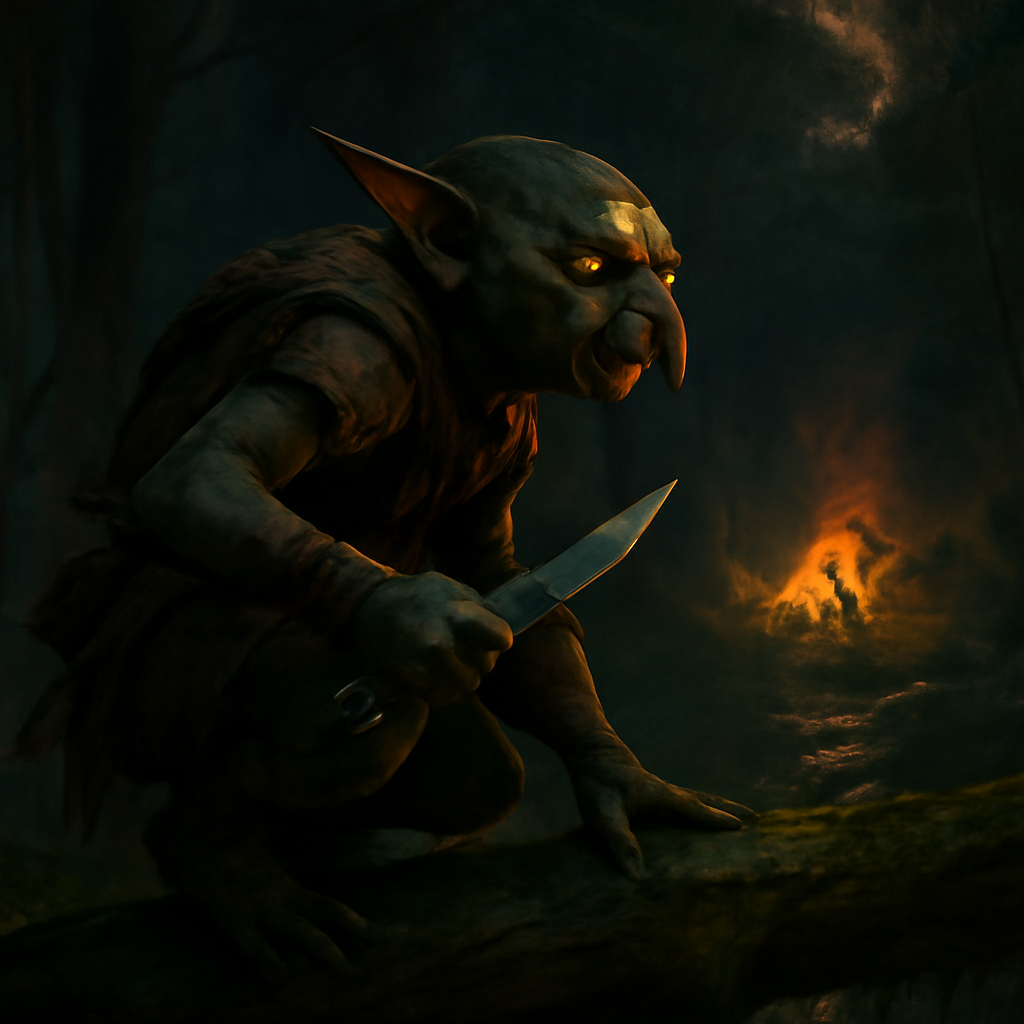
I learned about the best low level D&D monsters the hard way — by throwing terrible ones at my solo characters and watching encounters fizzle into nothing. There's a massive difference between a creature that looks good in the Monster Manual and one that actually creates a memorable moment at your table.
Low-level play is where most campaigns live or die. Your party is fragile, resources are scarce, and every encounter matters. You need monsters that challenge without overwhelming, creatures with personality that players will actually remember three sessions later. After hundreds of solo sessions (and one particularly devastating encounter involving a gelatinous cube and my hubris), I've learned what separates the great from the forgettable.
What Makes a Low-Level Monster Actually Good
Before we dive into specific creatures, let's talk about what makes a monster work for levels 1-5. It's not just about CR — it's about what that creature brings to the story.
Survivability sweet spot: The best low-level monsters can take a few hits without being damage sponges. Nothing kills momentum like a creature that drops in one turn or one that drags combat into round twelve.
Interesting abilities: A goblin with Nimble Escape is infinitely more engaging than a stat block that just swings a sword. You want creatures with abilities that force tactical decisions, not just damage calculations.
Scalability: Great low-level monsters work alone as minibosses or in groups as encounters. Flexibility matters when you're planning a session.
Personality potential: This is the secret ingredient. Can you imagine this creature having a voice, a motivation, a reason your players might remember it? My goat Biscuit has more charisma than half the monsters I see in published adventures.
The Essential Low-Level Monster Roster
Goblins (CR 1/4)
If you only run one type of low-level monster, make it goblins. These scrappy little tacticians can be terrifying in numbers, and Nimble Escape means they don't just stand there waiting to die. A goblin that shoots then ducks behind cover feels smart. A goblin that grabs the party's torch and runs feels personal.
I once ran a solo campaign where a goblin raiding party stole my ranger's favorite boots while she slept. That goblin — I named him Skrix — became a recurring nemesis across four sessions. That's the magic of a monster with built-in tactical options.
- Best at: Guerrilla tactics, hit-and-run encounters, teaching new players that positioning matters
- Scale them: One goblin boss with a wolf mount can challenge a level 2 party; a warren of twenty creates a dungeon
- Personality hook: Give them a stupid plan that almost works
Kobolds (CR 1/8)
Kobolds are goblins' weird cousins who traded individual competence for Pack Tactics. These dragon-worshipping trap enthusiasts shine when they leverage numbers and environmental advantages. A lone kobold is pathetic. Five kobolds in a trapped corridor are a genuine threat.
What makes kobolds special is their desperation and cunning. They know they're weak, so they cheat. Falling nets, pit traps, advantageous positioning — kobolds earn their victories through preparation, and that makes them feel dangerous even at CR 1/8.
- Best at: Dungeon encounters, trap-heavy environments, teaching players to watch their surroundings
- Scale them: A kobold inventor with alchemical bombs makes a great miniboss
- Personality hook: Have them genuinely believe their dragon patron will save them (it won't)
Skeletons (CR 1/4)
Skeletons are the perfect blank canvas. They're silent, they're visually striking, and they can be deployed anywhere you need undead muscle. Unlike zombies, skeletons have enough AC and damage to feel threatening without bogging down combat.
The real beauty of skeletons is their versatility. Ancient temple guardians, a necromancer's first attempt, casualties from last week's goblin raid — they fit any narrative. When you need undead but don't want to commit to the whole haunted mansion aesthetic, skeletons deliver.
Wolves (CR 1/4)
Never underestimate a pack of wolves. Pack Tactics and 40-foot movement speed create genuine tactical problems for low-level parties. Wolves flank, they knock prone with their bite attack, and they feel dangerous in a way that's grounded and believable.
I grew up around farm dogs who'd coordinate when herding cattle, and that same pack intelligence makes wolves terrifying opponents. They isolate targets, focus fire, and retreat when bloodied. A good wolf pack encounter teaches players about action economy better than any rules explanation.
Giant Spiders (CR 1)
Web-based restraint and poison damage make giant spiders a meaningful step up from CR 1/4 creatures. They introduce condition management — something new players need to learn — without being instantly lethal.
The best part about giant spiders is the environment they create. Webbed passages, desiccated prey hanging from the ceiling, the constant threat of being separated from the party — spiders turn any cavern into a horror movie set.
Bugbears (CR 1)
When you need a low-level brute that hits like a truck, bugbears deliver. Brute damage, Surprise Attack, and Stealth proficiency create this wonderful tension: they're huge and intimidating, but they ambush from shadows. A bugbear is what happens when you give a monster both power and patience.
One bugbear can serve as a boss for a level 1 party or as shock troops in a larger goblinoid force. They're flexible, threatening, and memorable — exactly what you want in a low-level monster.
The Underrated Champions
Stirges (CR 1/8)
These blood-draining mosquito nightmares are perfect for creating panic. Automatic damage each turn if they stay attached teaches new players about action priority: sometimes you need to kill the annoying thing before it nickel-and-dimes you to death.
A swarm of stirges attacking at night creates chaos without being overwhelming. They're also perfect for random wilderness encounters that actually matter.
Twig Blights (CR 1/8)
Plant monsters that look like kindling until they swarm you — twig blights are nature's ambush predators. They introduce vulnerability mechanics (fire) and create encounters that feel unique without requiring complex rules.
A corrupted grove full of twig blights gives druids and rangers something personal to care about while teaching spellcasters about damage types.
Shadows (CR 1/2)
Strength drain is brutal, incorporeal movement creates tactical puzzles, and vulnerability to radiant damage makes clerics feel heroic. Shadows are a masterclass in how a simple statblock can create genuine tension.
They're also perfect for cursed locations where you want undead that feel different from the standard skeleton-and-zombie playbook.
Scaling and Combining Monsters
The best low-level encounters mix threat types. A bugbear leading goblins. Skeletons backed by a shadow. Kobolds who've captured a giant spider as a guardian. Mixed encounters force parties to prioritize targets and adapt tactics, creating combat that feels dynamic.
Here's my formula: one creature that hits hard (bugbear, wolf), two or three that provide tactical problems (goblins, kobolds), and environmental complications (webs, difficult terrain, cover). This creates encounters that feel designed rather than random.
Bringing Monsters to Life
Statistics matter, but personality makes monsters memorable. Give your goblin boss a squeaky voice and delusions of grandeur. Make your wolves hunt with pack intelligence, isolating the weakest party member. Let your skeletons carry equipment that hints at who they were in life.
If you want to really personalize your encounters, I've been using Creature Forge AI to generate unique variants. The tool's particularly great for creating custom stat blocks based on specific concepts — I even uploaded a photo of my old farm dog and got back this incredible Lupine ranger NPC that actually looked like her. Seeing a character based on something real adds this whole other layer of connection to your game.
Common Low-Level Monster Mistakes
Don't use gelatinous cubes at level 1. Just don't. That engulf ability is a death sentence for squishy characters with no escape options. Save oozes for level 3 minimum.
Resist the urge to use dragons, even wyrmlings. Yes, they're cool. Yes, they're technically appropriate CR. But one bad breath weapon roll wipes the party, and that feels terrible at low levels when players are still learning their characters.
Avoid monsters with high AC and low HP (like flying swords) until your players have reliable attack bonuses. Missing repeatedly isn't challenging — it's frustrating.
Building Your Low-Level Bestiary
Start with these core creatures:
- Your go-to humanoids: Goblins, kobolds, or bandits
- Your beast threats: Wolves or giant spiders
- Your undead options: Skeletons and one incorporeal creature
- Your boss monster: Bugbear, ogre, or young monster
- Your environmental hazard: Stirges, twig blights, or swarms
With these categories covered, you can improvise most encounters without breaking flow. I keep index cards with quick reference stats for my most-used creatures during solo sessions — makes random wilderness encounters actually playable.
The Photo That Started Everything
Last month I uploaded a photo of Biscuit (my goat, not kidding) to Creature Forge AI's character generator just to see what would happen. The tool gave me back this stubborn Satyr barbarian with Biscuit's exact coloring and that same ornery glint in his eye. I've been running him as a recurring NPC in my solo campaign ever since — he owns a tavern and charges too much for mediocre ale.
That's when it clicked for me: the best low-level monsters aren't about optimal CR calculations or perfect stat distributions. They're about creating something your players will remember, something that feels alive enough to become part of the story. Whether that's a goblin with a stupid plan, a wolf pack with pack tactics, or a goat-based barbarian who won't negotiate on drink prices.
Start Building Better Encounters
Low-level play doesn't have to mean boring monsters. The creatures in this guide — goblins with personality, wolves with tactics, undead with presence — create the encounters your players will talk about long after they've reached level 20.
Try Creature Forge AI when you need something beyond the standard Monster Manual entries. Whether you're generating unique variants, uploading photos for character inspiration, or just experimenting with concepts, the tool handles the mechanical heavy lifting so you can focus on the story. Because the best monsters aren't just statblocks — they're the ones your players remember.