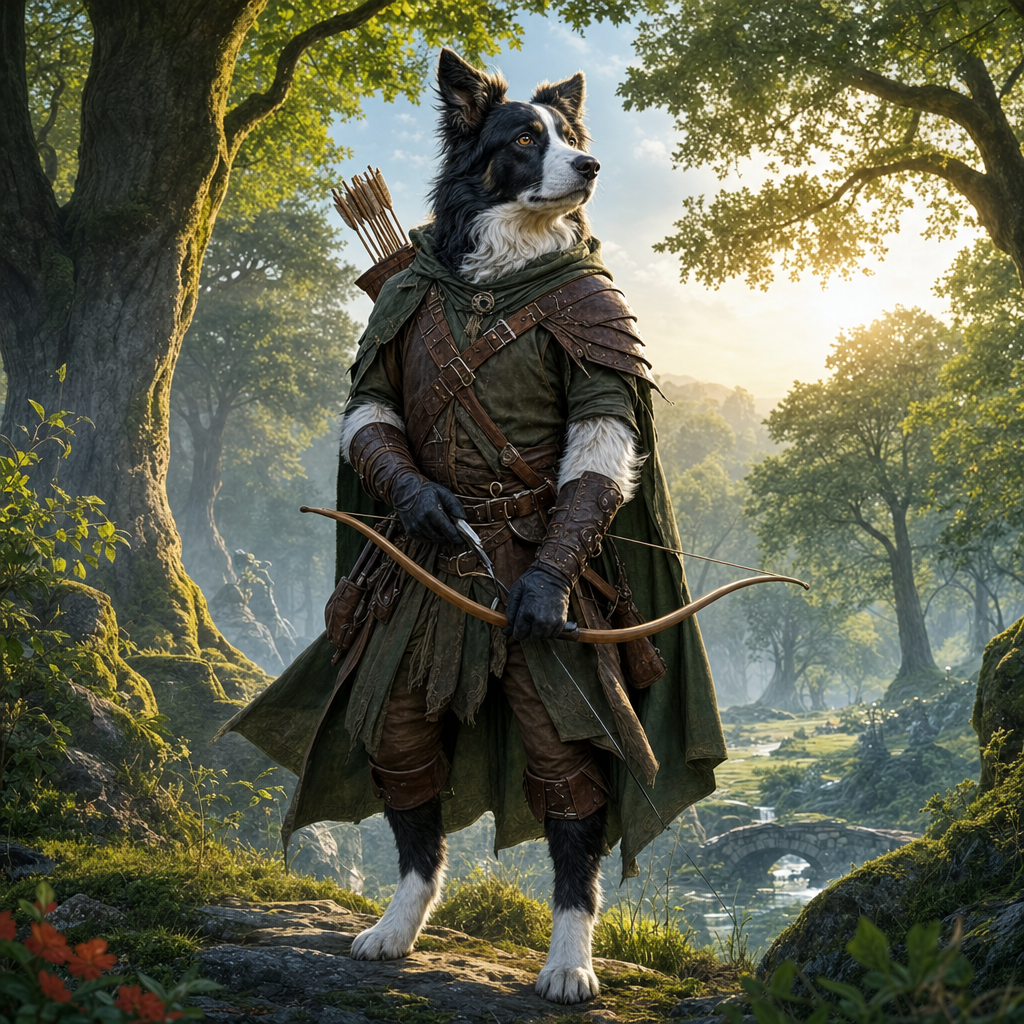
Why Animal DnD Races Hit Different
I've been running solo campaigns for years now, and somewhere around my third cup of coffee one night, I had a thought: my border collie Murphy has better tactical instincts than most of my player characters ever did. He herds the chickens with this calculated precision, anticipates their movements, cuts off escape routes. So I asked myself—what would Murphy be like as an actual animal DnD race character?
Turns out, animal DnD races aren't just a novelty. They're a way to build characters with built-in personality, instincts, and quirks that feel lived-in from session one. You're not starting from scratch with "generic elf ranger." You're starting with "Murphy, who is loyal to a fault, occasionally gets distracted by squirrels, and will absolutely die protecting his pack."
The Official Animal DnD Races You Already Know
Fifth edition gives us some incredible beastfolk options right out of the gate. These aren't just cosmetic—each brings mechanical advantages that actually reflect animal behavior:
- Tabaxi: Cat-like agility, natural climbers, that classic feline curiosity that gets them into (and occasionally out of) trouble
- Leonin: Lion-folk with pack tactics and a roar that can frighten enemies—perfect for the cat who thinks they run the house
- Aarakocra: Bird-folk with flight speed, because your parrot absolutely would scout ahead and then forget to report back
- Tortle: Turtle-people with natural armor and the patient, steady energy of a creature that knows slow and steady wins
- Lizardfolk: Cold-blooded pragmatists with bite attacks and the emotional range of your bearded dragon
- Loxodon: Elephant-folk with powerful build and keen smell—basically your dog's sense of loyalty meets an elephant's memory
- Harengon: Rabbit-folk with incredible jump distance and the twitchy alertness of prey animals
Homebrew Animal DnD Races: When Your Pet Isn't In The Player's Handbook
Here's where it gets fun. Most of our pets don't fit neatly into official race categories. My goat Biscuit, for example—charismatic, stubborn, somehow always in places she shouldn't be. There's no "caprine" race in 5e, so you build it yourself.
Start With Real Animal Traits
The best homebrew animal DnD races mirror actual animal behavior. For a goat-folk character, I'd consider:
- Sure-Footed: Advantage on checks to avoid being knocked prone (goats climb impossible angles)
- Headbutt: Unarmed strike that deals 1d6 + Strength modifier (because obviously)
- Stubborn Resilience: Advantage on saves against being charmed (good luck making Biscuit do anything she hasn't already decided to do)
- Climber: Climbing speed equal to walking speed
Balance Is Your Friend
Homebrew animal races work best when they're mechanically similar to official races. Compare your custom abilities to existing options—if your homebrew fox-folk gets more features than a Tabaxi, dial it back. The goal is flavor, not power creep.
Turning Your Actual Pet Into A Character
This is where things get genuinely magical. I uploaded a photo of Murphy to Creature Forge AI's character generator, half-expecting some generic "wolf ranger" output. Instead, I got a border collie beastfolk with Murphy's exact black-and-white markings, his alert stance, even that intense "I'm thinking three moves ahead" expression he gets.
The character sheet it generated gave him:
- Pack Tactics: Advantage on attacks when an ally is within 5 feet (exactly how Murphy herds)
- Keen Hearing and Smell: Advantage on Perception checks (he hears the treat bag from three rooms away)
- Tireless: Resistance to exhaustion (border collies don't have an off switch)
It wasn't just mechanically sound—it felt like Murphy. The personality traits suggested things like "needs a job to feel fulfilled" and "suspicious of strangers until they prove trustworthy." That's him. That's exactly him.
Stats and Ability Scores for Animal DnD Races
When you're building animal-based characters, let their natural traits guide ability score increases:
- Dogs (loyal, perceptive): +2 Wisdom, +1 Constitution
- Cats (agile, independent): +2 Dexterity, +1 Charisma
- Horses (strong, fast): +2 Strength, +1 Dexterity
- Goats (hardy, stubborn): +2 Constitution, +1 Wisdom
- Birds (quick, observant): +2 Dexterity, +1 Wisdom
- Reptiles (patient, resilient): +2 Constitution, +1 Intelligence
Remember: these are starting points. A neurotic chihuahua might lean Charisma for sheer force of personality, while a lazy house cat could go Wisdom just from years of judging everyone from the windowsill.
Class Combinations That Actually Work
Some animal-class pairings feel like they were meant to be:
Natural Fits
- Canine Ranger: Tracking, loyalty, pack tactics—it writes itself
- Feline Rogue: Stealth, climbing, that smug satisfaction when they pull off the impossible
- Equine Paladin: Noble, strong, protective—horse-folk paladins are the tank your party needs
- Corvid Wizard: Ravens and crows are smart, curious, hoard shiny things (which describes most wizards anyway)
- Ursine Barbarian: Bear-folk with rage abilities that actually mirror bear behavior
Against Type (The Fun Ones)
Then there are the combinations that shouldn't work but absolutely do:
- Rabbit-folk Barbarian: All that prey-animal anxiety channeled into pure rage
- Turtle Monk: Slow, methodical, and when they finally strike, devastating
- Goat Bard: Charismatic, loud, impossible to ignore (this is just Biscuit with a lute)
- Snake Cleric: Patient, perceptive, the party's conscience (who also happens to be cold-blooded)
Personality Traits: Let Your Pet Write The Character
The biggest advantage of basing characters on real animals? You already know their personality. Murphy doesn't need a random personality trait table—he's protective, neurotic about schedules, and refuses to rest until everyone is accounted for. That's a character.
My cat growing up, Phantom, would have been a rogue with trust issues, advantage on hiding checks, and a flaw that read "will only cooperate on my own terms." One of the horses from my childhood, Duke, was basically a paladin—noble, gentle with the weak, but would absolutely wreck you if you threatened someone he loved.
Quirks That Make Them Memorable
Give your animal DnD races the small details that made your pets unforgettable:
- The way they tilt their head when confused
- Their specific distrust of one type of creature (Murphy hates roosters with a passion)
- Food preferences that override common sense
- The spot they always check first in a new location
- How they react to storms, crowds, or being alone
Making It Work at the Table
Animal-based characters sometimes raise eyebrows, especially if your table is used to standard PHB races. A few tips:
- Run it by your DM first: Show them the mechanics, explain the concept, be ready to adjust
- Emphasize the "folk" part: These are anthropomorphic beastfolk, not literal animals—they speak, use tools, wear armor
- Play to the culture, not just the species: Your dog-folk character might come from a militaristic pack society or a peaceful farming community—background matters
- Give them goals beyond instinct: Yes, cat-folk like high places, but your specific character wants to map every rooftop in the city because they're a cartographer
Where to Start
If you want to try this but don't know where to begin, I'd suggest starting with a pet you know well. Think about their temperament, their quirks, what they'd be good at in a fantasy setting. Then either find an official race that's close (cat = Tabaxi, bird = Aarakocra) or build a simple homebrew with 2-3 core features.
Or take the shortcut I discovered: upload a photo to Creature Forge AI and let it do the heavy lifting. It generates a full character sheet, artwork that actually looks like your pet, and racial abilities that make sense for that specific animal. I've used it for Murphy, for Biscuit, even for the barn cat who thinks she's a panther. Every time, it nails the vibe.
Your Pet Probably Has Better Stats Than You Think
Here's the thing about animal DnD races: they force you to see your pets as the competent, complex individuals they actually are. My goat isn't just stubborn—she's strategically stubborn, which is different. Murphy isn't just loyal—he's tactically loyal, anticipating needs before they arise.
When you translate that into game mechanics, you end up with characters that feel real from the first roll. They're not blank slates waiting for personality to emerge—they arrive at the table fully formed, with motivations, fears, and that one weird quirk that's going to become a running joke by session three.
So yeah. Give it a shot. Turn your cat into a rogue. Make your horse a paladin. Build a barbarian based on that rooster who terrorized your childhood. The worst that happens is you end up with a character you actually care about.
And who knows—maybe your pet's been an adventurer this whole time, just waiting for you to roll the dice.